
Most homes rely on a single central air conditioning system to cool every room. It works — until it doesn't. When that one system goes down in the middle of July, you're left with no cooling, a panicked call to your HVAC company, and a long wait for parts that are backordered across the country.
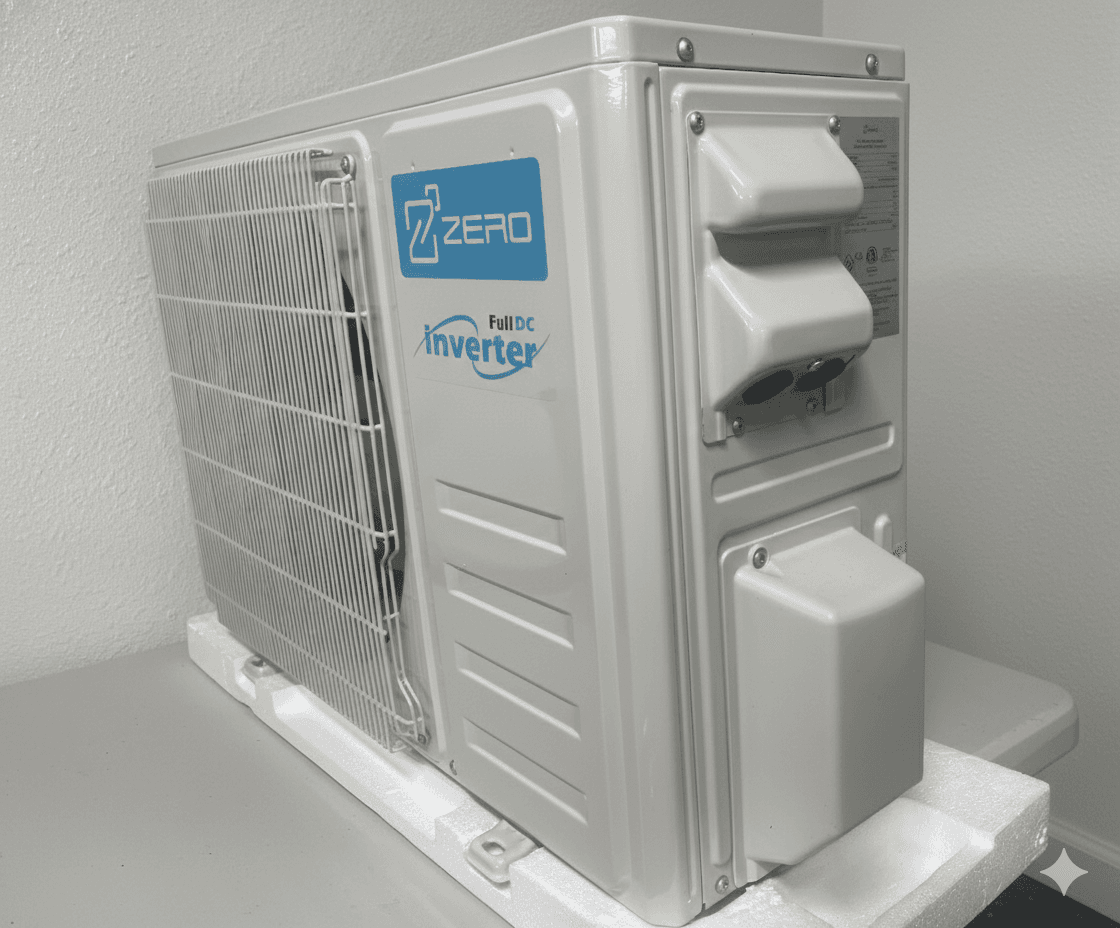
There's a smarter approach: pairing a ductless mini-split with your existing central AC to create a hybrid cooling system. This isn't about replacing your central unit — it's about giving your home a backup plan, reducing the load on your main system, and saving real money on energy bills through precision zoning.
1. The Safety Net: Built-In Redundancy When You Need It Most
As any HVAC contractor will tell you, July is the worst time for a central AC to fail. Repair shops are slammed, parts are backordered, and lead times stretch into weeks. Meanwhile, indoor temperatures climb into the 90s and your family is miserable.
With a mini-split installed in your master bedroom or main living area, you have a survival mode. If your 5-ton central unit goes down, a 12,000 BTU mini-split lets you "shelter in place" comfortably in the rooms where you spend the most time — while you wait for the central unit to be repaired on a reasonable timeline instead of an emergency one.
Why This Matters
- ✓No more emergency service calls with premium pricing
- ✓You can schedule the central AC repair at normal rates, not panic rates
- ✓Your family stays comfortable in the rooms that matter most
2. Strategic Load Shedding: Take the Pressure Off Your Central System
During extreme heat events — "heat domes" that are becoming more common every summer — central air systems often run for 10 to 12 hours straight without cycling off. That's brutal on the equipment. The compressor overheats, contactors and capacitors wear down faster, and you're looking at exactly the kind of component failures that drive up summer repair bills.
By running a mini-split in your high-traffic areas — the great room, a sun-drenched upstairs bedroom, or a home office — you shift the peak cooling load away from the central system. The central unit doesn't have to work as hard, cycles more naturally, and the components that typically fail under sustained stress get a much-needed break.
Component Longevity
The parts that fail most often in summer — contactors, capacitors, and compressor windings — are the ones that suffer most from sustained, non-stop operation. Reducing run time by even 20–30% during peak heat can meaningfully extend their lifespan.
3. Precision Zoning: Stop Paying to Cool Empty Rooms
Central air conditioning is fundamentally "all or nothing." When you turn it on, it cools the entire house — the guest rooms nobody is using, the laundry room, the hallways, all of it. If you're working from home in a 400 sq. ft. office, you're still paying to cool 2,500 sq. ft.
This is where the energy math gets interesting. Most modern mini-splits have SEER2 ratings between 20 and 30+, while many existing central units are running at 13 or 14 SEER. Cooling 400 sq. ft. with a hyper-efficient inverter compressor is significantly cheaper than cooling your entire home with a standard single-stage central unit.
During mild weather or when only one or two people are home, you can run the mini-split in your living zone and leave the central system off entirely. During peak heat, both systems work together — the mini-split handles the hottest or most-used rooms while the central unit covers the rest at a reduced load.
Central AC Only vs. Hybrid Approach
| Feature | Central Air Only | Hybrid (Central + Mini-Split) |
|---|---|---|
| System Strain | High — 100% load on one unit | Balanced — load shared between systems |
| Energy Waste | High — cools empty rooms | Low — cools specific living zones |
| Failure Risk | Total loss of cooling | Partial cooling maintained (the fallback) |
| Repair Urgency | Extreme emergency | Manageable — can schedule at normal rates |
| Efficiency | Limited by older SEER rating | Mini-split zones at SEER2 20–30+ |
4. A Real-World Scenario
Picture this: It's a 105°F day in the Bay Area. Your neighbor's central AC compressor just failed — the contactor burned out after running non-stop for three days. The part is backordered for two weeks. They're sleeping in a hotel.
Meanwhile, your central system is sharing the load with a mini-split in your living room and master bedroom. Your central unit cycles off periodically, the compressor stays within safe operating temps, and your energy bill is lower than your neighbor's was before their system even failed.
And if your central unit does eventually need service? You schedule it for next week at regular rates. No panic. No hotel. No emergency surcharge.
5. Who Benefits Most From a Hybrid Setup?
- Homeowners with central AC systems older than 8–10 years
- Homes with rooms that are consistently hotter than the rest (upstairs, sun-facing rooms)
- Remote workers who spend most of the day in one room
- Anyone in a region with extreme summer heat events
- Homeowners who want a backup plan before their central system ages out
The Bottom Line
A mini-split isn't a replacement for your central air — it's an upgrade to your entire cooling strategy. You get a safety net for when things go wrong, reduced wear on your most expensive equipment, and real energy savings from cooling only the spaces you're actually using.
Thinking about adding a mini-split to your home? We can help you pick the right size and placement based on your floor plan and existing system. Contact Vargas HVAC for a free consultation.
Get a Free Quote